
State Motors / Enclosed car transport
Enclosed car transport, handled personally.
Hard-sided trailers, soft straps and one point of contact from pickup to delivery — for cars that should arrive exactly as they left.
Hard-sided trailers, soft straps and one point of contact from pickup to delivery — for cars that should arrive exactly as they left.
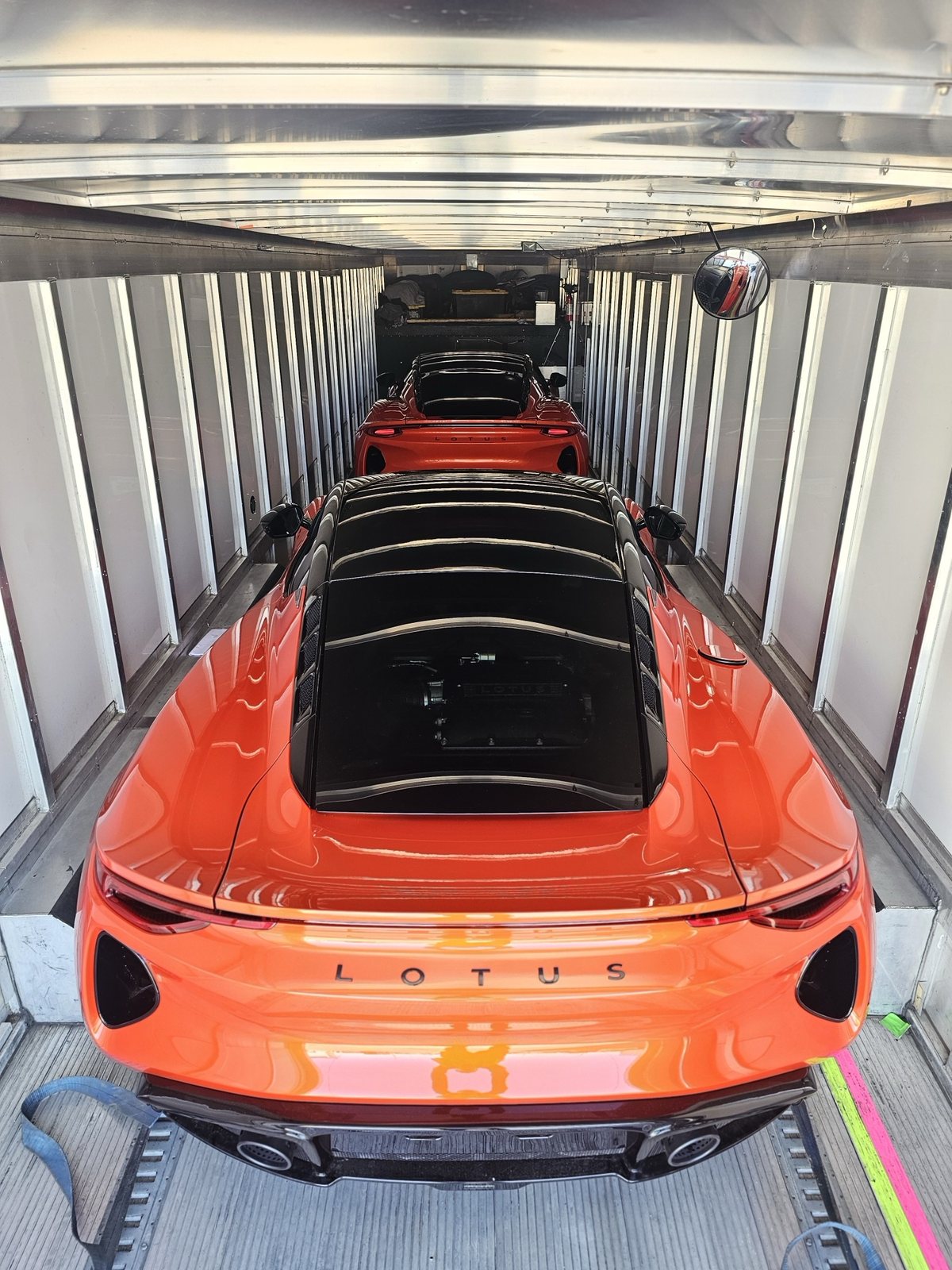
“Enclosed” covers a lot of equipment in this industry, from soft-sided curtain trailers to fully hard-sided ones. We run hard-sided only.
For a daily driver, open transport is the sensible choice — and we run that too. Open car transport →

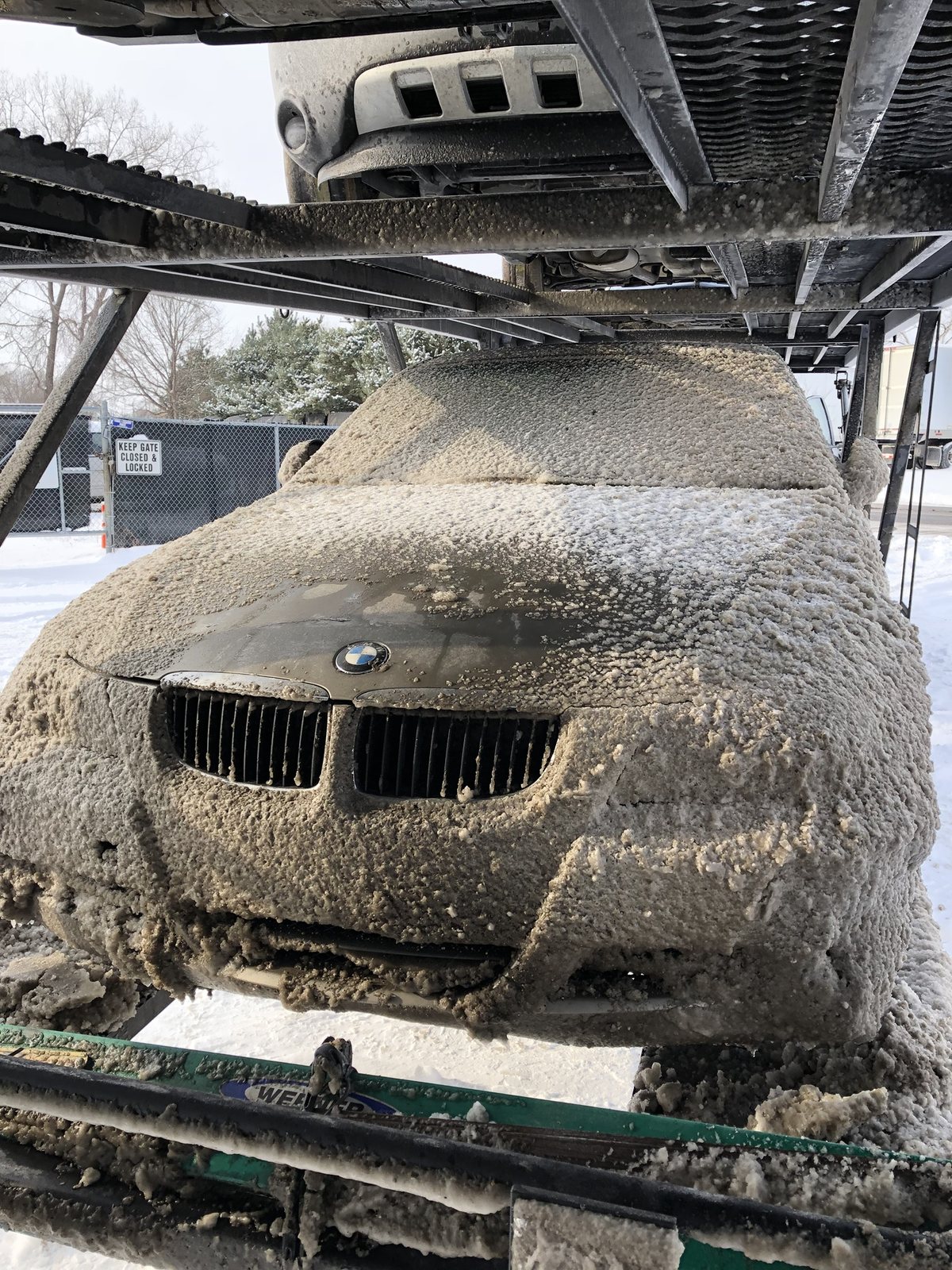
Salt, slush and road spray freeze onto every car on an open carrier crossing the Midwest in winter. For a daily driver, a car wash fixes it. For original paint, fresh PPF or a car you care about, it is a risk you don’t need to take.
Inside a hard-sided trailer, none of this reaches the car.
For anything rare, valuable, freshly painted or low to the ground — yes. An enclosed trailer removes the risks you can’t control on an open carrier: weather, rock chips, road salt and debris.
Soft-sided trailers use curtains over a frame; they keep off rain but not much else. Hard-sided trailers have solid walls and a roof. We run hard-sided only.
Yes. Low-angle loading is routine for us. Tell us about any front-lift system, splitter or aero when you book so the driver arrives prepared.
Truck assignment usually takes from a few hours to a few days. Once loaded, East Coast routes from Florida typically take two to four days, and coast-to-coast runs five to seven. We quote timing as a window, never as a promise we can’t keep.
Every carrier we use must hold active cargo insurance. We verify coverage before your car is assigned and can send you the certificate. For high-value vehicles, we review the coverage limits before pickup.
Tell our concierge the car and the route. A real price in under a minute — no forms, no sales calls.
Refundable deposit until your car is matched with a carrier